
cardiology in grantsburg
Heart health is essential to your overall well-being, and having access to experienced cardiology specialists close to home can make all the difference. At Burnett Medical Center, our cardiology team works in partnership with the Minneapolis Heart Institute to provide comprehensive cardiovascular care for patients throughout Grantsburg, Burnett County, and the surrounding Northwest Wisconsin communities. Whether you are experiencing symptoms of heart disease, managing a chronic cardiovascular condition, or seeking ongoing monitoring after a cardiac procedure, our team is here to help.
Burnett Medical Center partners with the Minneapolis Heart Institute to provide cardiology services in Grantsburg, nice and close to home. If you or someone you know has experienced a heart murmur, hypertension, or heart arrhythmia, our Grantsburg-based medical team is available to offer assistance. We work with multiple cardiologists and offer a variety of services that manage:
- Heart murmurs
- Arrhythmias -Atrial fibrillation (irregular heartbeat), Bradycardia, Tachycardia
- Congestive Heart Failure
- Hypertension
- High cholesterol
- Angina
- Cardiomyopathy
- Pacemakers
- Pulmonary Hypertension
- Surgical and procedural follow-up
- Other cardiac-related concerns
Frequently Asked Questions About Cardiology Services
A cardiologist specializes in diagnosing, treating, and managing conditions that affect the heart and cardiovascular system. Common conditions include high blood pressure, heart failure, irregular heart rhythms, heart murmurs, coronary artery disease, high cholesterol, angina, and cardiomyopathy.
You may benefit from seeing a cardiologist if you experience symptoms such as chest pain, shortness of breath, dizziness, heart palpitations, unexplained fatigue, or swelling in your legs or feet. Your primary care provider may also recommend a cardiology consultation if you have risk factors for heart disease or a family history of cardiovascular conditions.
Atrial fibrillation, often called AFib, is a common type of irregular heartbeat that can increase the risk of blood clots, stroke, and other heart-related complications. A cardiologist can evaluate your condition and recommend treatments to help manage symptoms and reduce health risks.
Yes. High blood pressure, also known as hypertension, is a major risk factor for heart disease and stroke. Cardiologists work with patients to develop treatment plans that may include lifestyle modifications, medication management, and ongoing monitoring to help maintain healthy blood pressure levels.
Congestive heart failure occurs when the heart cannot pump blood as effectively as it should. Symptoms may include shortness of breath, fatigue, swelling, and reduced physical activity tolerance. Early diagnosis and treatment can help improve symptoms and quality of life.
Cardiomyopathy is a disease of the heart muscle that can make it harder for the heart to pump blood throughout the body. Depending on the type and severity, treatment may involve medications, lifestyle changes, medical devices, or ongoing cardiology care.
Referral requirements may vary depending on your insurance plan and medical needs. If you are experiencing heart-related symptoms or have concerns about your cardiovascular health, contact Burnett Medical Center to learn more about scheduling an appointment.
Maintaining a healthy diet, exercising regularly, managing stress, avoiding tobacco products, controlling blood pressure and cholesterol, and following your provider's recommendations can all help reduce your risk of heart disease and support long-term cardiovascular health.
Burnett Medical Center partners with the Minneapolis Heart Institute to bring specialized cardiology services to Grantsburg and surrounding communities. Patients receive expert cardiovascular care close to home, allowing for convenient access to evaluation, treatment, monitoring, and follow-up care.
Contact BMC today to schedule a cardiology appointment with our Grantsburg heart doctors. If you are in need of a referral, please feel free to schedule a visit with one of our primary care providers, by calling 715-463-5353.
Read More From Our Blog
- All
- Adult Day Services
- BMC Foundation News
- BMC Providers
- Clinic
- Continuing Care Center
- Continuing Care Center
- Diagnostic Imaging
- Direct Access Testing
- Emergency Department
- ENT
- Family Practice
- General News
- General Surgery
- Healthcare
- Hospice Services
- News & Updates
- Ophthalmology
- Orthopedics
- Patient Testimonials
- Pediatric Care
- Seasonal Healthcare
- Specialty Services
- Sport Physicals
- Tobacco Cessation Program
- Uncategorized
- Well-Child Exams
- Women's Health
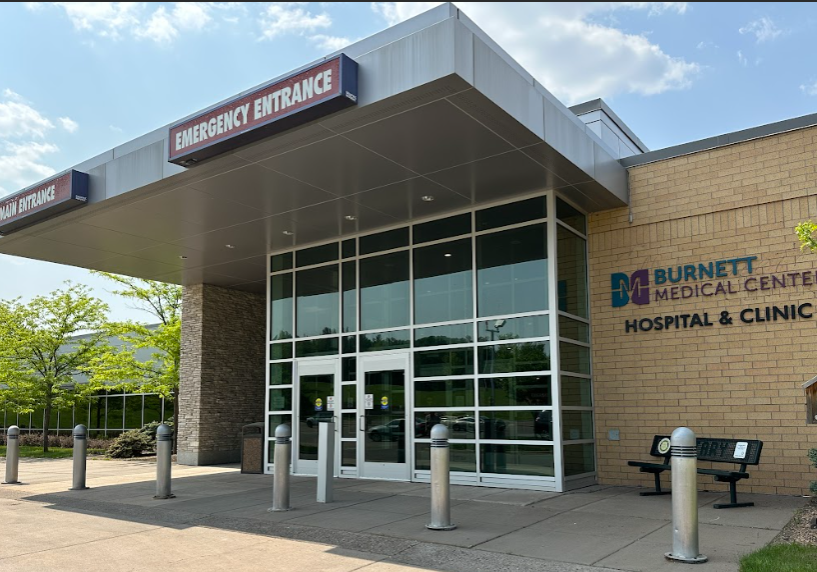
Learn More About Burnett Medical Center | Our History & Mission
At Burnett Medical Center (BMC), we believe in doing more than providing medical services—we believe in caring for people. As the only hospital in Burnett County, WI, our nonprofit critical access hospital, clinic and long-term care facility in Grantsburg has served generations of families with high-quality, compassionate healthcare. From our roots in community support to…

How to Choose the Right Provider for You and Your Family
How to Choose the Right Healthcare Provider for You and Your Family Choosing a healthcare provider is an important decision for you and your family. You want someone who understands your health needs, listens to your concerns, and helps you feel confident about your care. At Burnett Medical Center’s Family Practice Clinic in Grantsburg, WI,…
Why Regular Doctor’s Checkups Matter: Building a Foundation for Long-Term Health
Why Regular Doctor’s Checkups Matter: Building a Foundation for Long-Term Health When was the last time you scheduled a checkup with your doctor? If you’re feeling healthy, it’s easy to put off an appointment. But regular visits with your primary care provider are about more than addressing symptoms. They’re an opportunity to check in on…

Care When You Need It: Walk into Grantsburg’s Walk-in Clinic
Walk-In Clinic Care in Grantsburg, WI: Convenient Care When You Need It Getting sick or injured rarely happens at a convenient time. Maybe your child wakes up with an earache, you develop a sore throat before the weekend, or a minor injury leaves you wondering where to go for care. When these unexpected health concerns…
How To Prepare for Surgery at Burnett Medical Center | A Patient Guide
Preparing for Surgery: A Guide to What Patients Can Expect at Burnett Medical Center Surgery can be a stressful experience, but at Burnett Medical Center (BMC), we aim to make the process as smooth and comfortable as possible. Knowing how to prepare for surgery before, during and after can help reduce anxiety and ensure you…
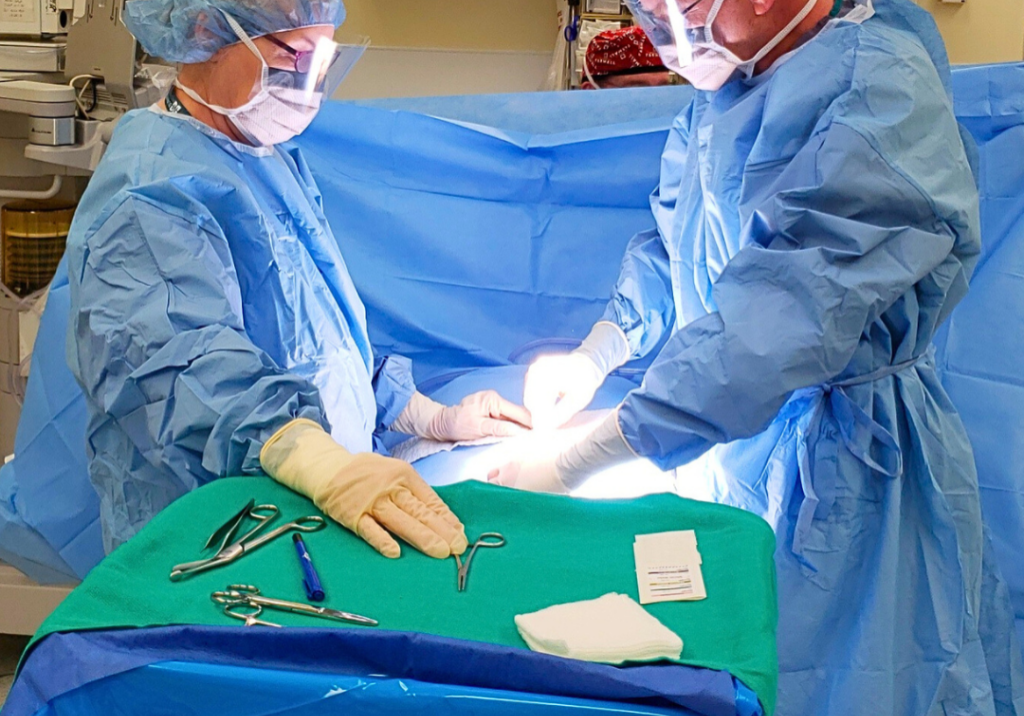
Top 5 Conditions Treated by a General Surgeon
When it comes to your health, it’s reassuring to know that expert surgical care is available close to home. At Burnett Medical Center (BMC), our surgical team is here to help patients with a variety of health conditions, offering compassionate care and advanced treatments. Here are the top 5 conditions commonly treated by our general…
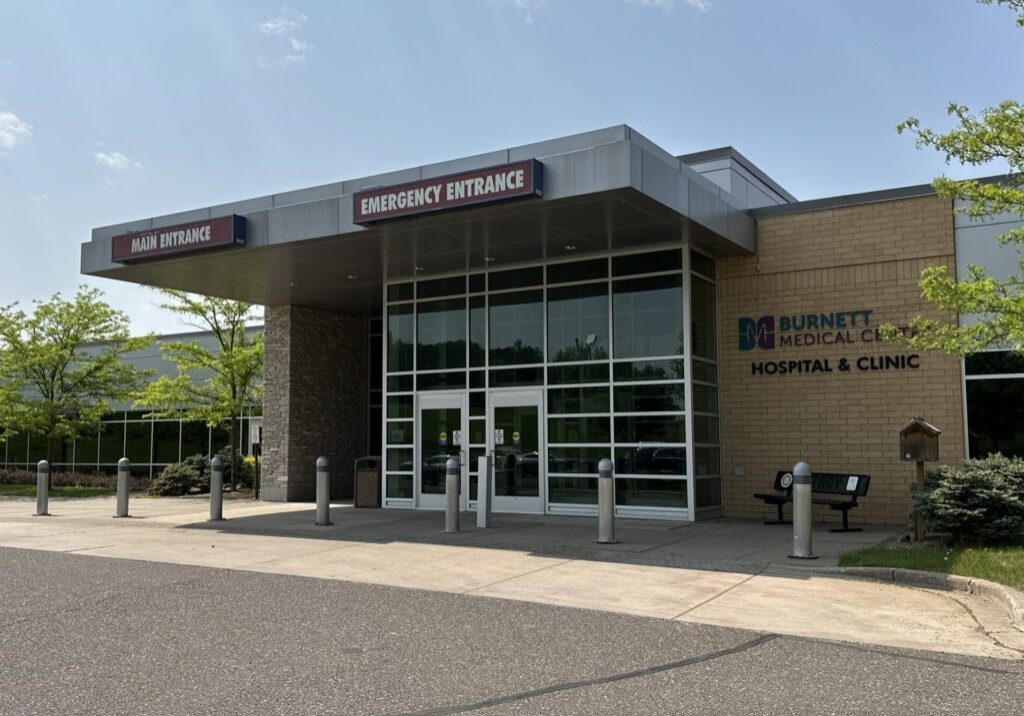
Why Local Surgical Care Matters
When it comes to your health, trust and convenience are key. At Burnett Medical Center (BMC), our General Surgery team combines expert care with the familiarity and comfort of a local facility. Choosing local surgical care offers numerous advantages, not only for you as a patient but also for our community as a whole. Here…

Understanding Your Diagnostic Imaging Results
Medical imaging is a powerful tool that provides critical insights into our health. From diagnosing broken bones to identifying complex internal conditions, diagnostic imaging plays a vital role in modern medicine. But for many, diagnostic imaging results can feel overwhelming or confusing. What do those terms mean? How do X-rays differ from MRIs? So let’s…
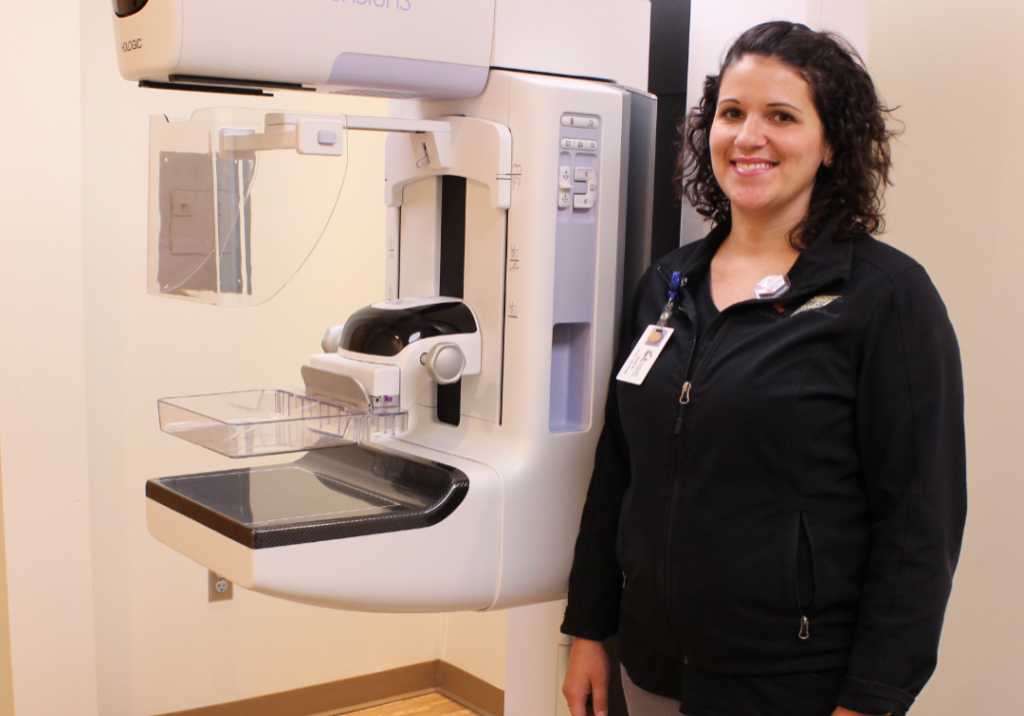
The Power of Early Detection: How Breast Cancer Screenings Saves Lives
Breast cancer is one of the most common cancers affecting women worldwide. But thanks to advancements in early detection and treatment, survival rates have significantly improved. The key to beating breast cancer often lies in catching it early-before symptoms arise, when the disease is most treatable. Regular screenings play a pivotal role in early detection,…