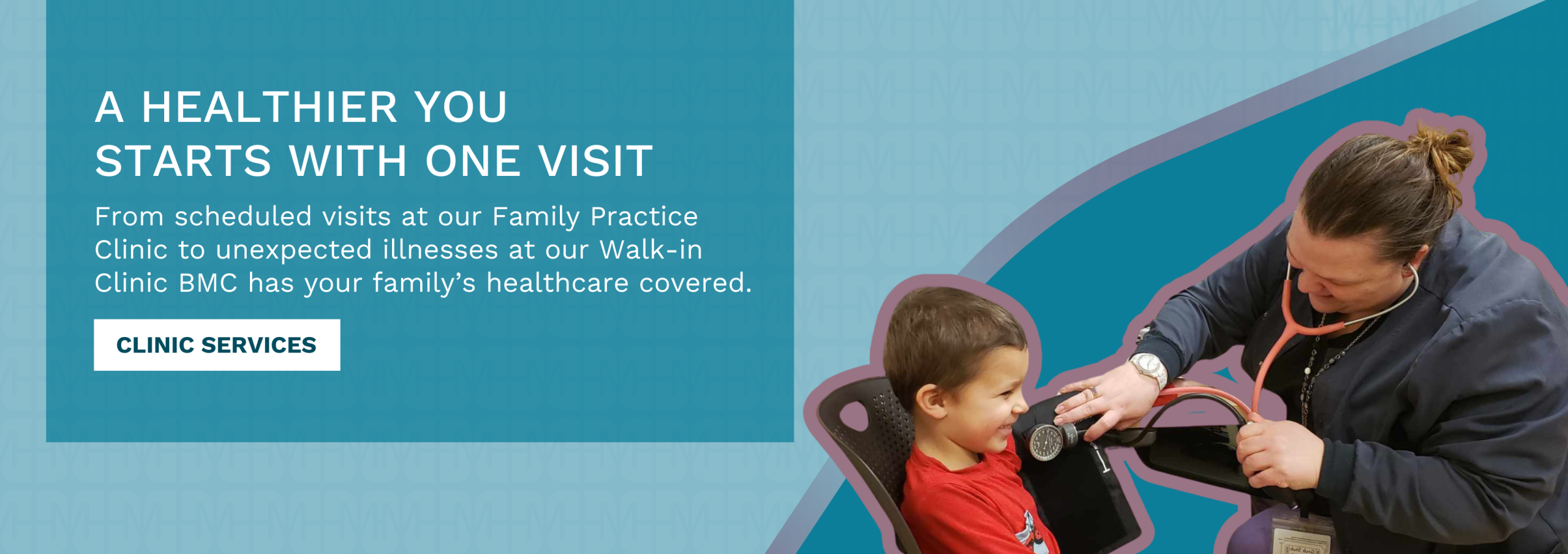
At Burnett Medical Center, we believe taking care of your health should be simple, personal, and close to home. Located in the heart of Grantsburg, BMC brings together hospital, clinic, and continuing care services under one roof—making it easier to get the care you need, when you need it. Whether it’s a routine checkup, managing a chronic condition, or unexpected care, one visit can be the first step toward better health. With expert providers, compassionate staff, and comprehensive services designed around you and your family, a healthier you truly starts here.
"I underwent a procedure at BMC and was very impressed with the level of professionalism and organization. The nursing team was attentive, the doctor explained each step thoroughly, and the recovery staff ensured I was comfortable. Outstanding service from start to finish."
Nicole M.
"Went in from cutting my hand open and was treated with wonderful respect and they helped with everything I needed"
Priscilla L.
"Sarah Ogilvie provided one of the most solid, comforting and knowledgeable visits I’ve ever had. This hospital has so many wonderful providers and staff members. Special shout out to the registration Danni and Erin who made me laugh and were also thorough in making me feel comfortable and welcome."
Whether you’re preparing for a routine procedure or a more complex operation, surgery can bring up plenty of questions. What should you do beforehand? How long will recovery take? What happens when you arrive at the hospital? Knowing what to expect before, during, and after surgery can help you feel more confident and prepared. At…
When you think about visiting a family doctor, you might picture an annual physical or a routine checkup. But family doctors can do much more than provide preventive care. They can diagnose and treat many common illnesses and injuries, help manage ongoing health conditions, provide screenings and immunizations, and help you stay healthy at every…
Living with a chronic health condition can feel overwhelming, especially when managing medications, appointments, lifestyle changes, and ongoing symptoms. The good news is that you don’t have to manage it alone. A trusted family doctor can provide the consistent, personalized care needed to help you better manage chronic conditions and maintain your quality of life.…
We use cookies on our website to give you the most relevant experience by remembering your preferences and repeat visits. By clicking “Accept”, you consent to the use of ALL the cookies. View our Privacy Policy.
This website uses cookies to improve your experience while you navigate through the website. Out of these cookies, the cookies that are categorized as necessary are stored on your browser as they are essential for the working of basic functionalities of the website. We also use third-party cookies that help us analyze and understand how you use this website. These cookies will be stored in your browser only with your consent. You also have the option to opt-out of these cookies. But opting out of some of these cookies may have an effect on your browsing experience.
Necessary cookies are absolutely essential for the website to function properly. This category only includes cookies that ensures basic functionalities and security features of the website. These cookies do not store any personal information.
Any cookies that may not be particularly necessary for the website to function and is used specifically to collect user personal data via analytics, ads, other embedded contents are termed as non-necessary cookies. It is mandatory to procure user consent prior to running these cookies on your website.
injury, therapy, patient, nursing, urgent care center, emergency department, health, disease, physician, pain, emergency medicine, insurance, myocardial infarction, ambulance, accessibility, emergency, shortness of breath, accident, emergency medical technician, medication, cardiopulmonary resuscitation, emergency medical services, medical specialty, medicine, triage, blood, information, primary care, headache, intravenous therapy, health care, wound, clinic, bleeding, first aid, medical emergency, sore throat, intensive care unit, medical history, fever, sprain, asthma, bone, patient safety, strain, drug, treatment, emergency services, emergency care, emergency medical, urgent, level, patients, cough, management, back pain, ambulatory care, mental health, outpatient, services, inpatient, surgery, medicare, outpatient surgery, intensive care, healthcare, outpatient care, health insurance, radiology, service, hospital outpatient, outpatient clinics, cancer, oncology, knee replacement, medical record, colonoscopy, neurology, clinics, cardiology
Frequently Asked Questions
What does outpatient mean?
Outpatient care means receiving medical services without staying overnight in a hospital. You may visit a clinic, medical center, or hospital for an appointment, test, or procedure and return home the same day.
What does inpatient mean?
Inpatient care means medical treatment that requires you to be admitted to a hospital or medical center and stay overnight or longer for care and monitoring.
What is outpatient services?
Outpatient services are medical care and treatments that allow patients to receive care and return home the same day, without an overnight hospital stay.
What is the difference between emergency room and urgent care?
The difference between an emergency room and urgent care is the severity of the condition: emergency rooms treat life-threatening or severe emergencies, while urgent care handles non-life-threatening illnesses and injuries that need prompt attention.
What is inpatient care?
Inpatient care is medical treatment that requires an overnight or longer hospital stay, with patients receiving ongoing care and monitoring from healthcare professionals.
What are the benefits of outpatient services?
The benefits of outpatient services include receiving medical care without an overnight hospital stay, making treatment more convenient and often allowing patients to recover at home and return to daily activities sooner.
How is inpatient care structured?
Inpatient care is structured around hospital admission, with patients receiving ongoing medical treatment, monitoring, and support from the care team until they are ready for discharge.
What conditions require inpatient treatment?
Conditions requiring inpatient treatment are those that need continuous hospital care, monitoring, or procedures, such as severe illness or injury, complications from surgery, or symptoms that cannot be safely managed at home. A medical professional can determine whether admission is needed.
When should I choose outpatient care?
Choose outpatient care when you need medical evaluation, treatment, or follow-up without an overnight hospital stay. It is appropriate for many routine and specialty services; your provider can help determine whether outpatient or inpatient care best meets your needs.
What types of procedures are outpatient?
Outpatient procedures are medical services that don’t require an overnight hospital stay. They may include diagnostic tests, minor surgeries, and treatments, depending on your needs and your provider’s recommendation.
How does outpatient care improve recovery?
Outpatient care can support recovery by providing timely treatment, follow-up, and rehabilitation while allowing patients to heal at home and maintain familiar routines.
What is the role of inpatient facilities?
The role of inpatient facilities is to provide hospital-based care for patients who need to stay overnight or longer for treatment, monitoring, or recovery.
How do outpatient services operate?
Outpatient services provide medical care without an overnight hospital stay. Patients visit Burnett Medical Center for appointments, tests, treatments, or procedures and return home the same day.
What are common outpatient procedures?
Common outpatient procedures are treatments that don’t require an overnight hospital stay, such as minor surgeries, diagnostic tests, endoscopies, and injections. Availability and suitability depend on the patient’s needs and provider recommendations.
What is the cost difference between inpatient and outpatient?
The cost difference between inpatient and outpatient care depends on the services, length of stay, and insurance coverage; inpatient care typically costs more because it includes an overnight stay. Contact Burnett Medical Center or your insurer for a personalized estimate.
How long does inpatient care typically last?
Inpatient care typically lasts as long as needed to treat your condition and ensure you’re ready for a safe transition to the next level of care. The length of stay varies based on your health needs and recovery.
What qualifications do outpatient providers need?
Outpatient providers need the appropriate education, professional licensure, and credentials for their specialty, as well as any required certifications and clinical experience. Specific requirements vary by role and state.
What is the admission process for inpatient care?
The inpatient admission process begins with a physician’s recommendation or a direct admission arrangement. Contact Burnett Medical Center for guidance on registration, required information, and what to bring.
How does insurance cover outpatient services?
Insurance coverage for outpatient services depends on your plan, provider network, and the care received. Check your benefits or contact your insurer to confirm coverage, copayments, deductibles, and any referral or authorization requirements.
What are the risks of inpatient care?
The risks of inpatient care can include hospital-acquired infections, medication side effects, falls, and complications from procedures or prolonged bed rest. Risks vary by condition and treatment, so discuss your individual concerns with your care team.
How do I transition from inpatient to outpatient?
Transitioning from inpatient to outpatient care begins with a discharge plan from your care team. Follow their instructions, schedule recommended follow-up appointments, and contact Burnett Medical Center with questions about ongoing care or services.
What is the follow-up process for outpatient care?
The follow-up process for outpatient care depends on your treatment and needs. Ask your Burnett Medical Center care team about next steps, follow-up appointments, test results, and whom to contact with questions.
What types of specialists provide outpatient services?
Outpatient services are provided by specialists in areas such as cardiology, orthopedics, and rehabilitation, depending on your care needs. Contact Burnett Medical Center for details about available specialties.
How does emergency care differ from outpatient services?
Emergency care treats urgent or life-threatening conditions that need immediate attention, while outpatient services provide scheduled care, tests, or treatments without an overnight hospital stay.
What is the patient experience in inpatient care?
The patient experience in inpatient care at Burnett Medical Center involves receiving hospital-based care and support from the medical team during a stay. Specific amenities and services may vary depending on the patient’s needs.
How are outpatient services monitored for quality?
Outpatient services are monitored for quality through ongoing reviews of care, patient feedback, safety practices, and clinical outcomes to identify opportunities for improvement.
What are the limitations of outpatient care?
The limitations of outpatient care are that it does not provide overnight monitoring or continuous hospital-level support, so it may not be suitable for serious conditions, complex procedures, or patients who need intensive care.
How do I prepare for an outpatient procedure?
To prepare for an outpatient procedure, follow your care team’s instructions about fasting, medications, and arrival time. Arrange a ride home if sedation or anesthesia is planned, and contact Burnett Medical Center with questions about your specific procedure.
What is the typical length of an outpatient visit?
The typical length of an outpatient visit varies depending on the appointment type, provider, and services needed. Contact Burnett Medical Center for an estimate for your specific visit.
How do inpatient and outpatient care affect recovery?
Inpatient and outpatient care affect recovery by providing different levels of support: inpatient care offers hospital-based monitoring and treatment, while outpatient care lets patients recover at home with scheduled visits. The appropriate setting depends on each patient’s condition and care plan.
medical center, st croix hospice, burnett medical center, medical clinic, bmc, hospital near me, walk in clinic near me, grantsburg hospital, emergency room near me, medical center near me, urgent care near me, Burnett County hospital, hospital in Grantsburg WI, healthcare Grantsburg WI, medical center Grantsburg, critical access hospital Wisconsin, family medicine Grantsburg, family practice clinic, walk in clinic Grantsburg, urgent care Grantsburg WI, emergency room Grantsburg, 24 hour emergency care, primary care physician Grantsburg, women's health Grantsburg, gynecology Grantsburg, orthopedic care Grantsburg, physical therapy Grantsburg, rehabilitation services Wisconsin, general surgery Grantsburg, outpatient services Wisconsin, inpatient care Grantsburg, swing bed program Wisconsin, continuing care center, long term care Grantsburg, senior care Burnett County, cardiology Grantsburg, urology Grantsburg, podiatry Grantsburg, ophthalmology Grantsburg, ENT specialist Grantsburg, diagnostic imaging Grantsburg, MRI Grantsburg, CT scan Grantsburg, 3D mammography Wisconsin, laboratory services Grantsburg, telehealth Wisconsin, specialty clinic Grantsburg, rural healthcare Wisconsin, patient portal MyChart, healthcare near me, medical clinic Burnett County, community hospital Wisconsin, health services Grantsburg WI, healthcare services, rural healthcare, primary care clinic, specialty care, medical clinic wisconsin, northwest wisconsin hospital, local healthcare, patient care, outpatient services, inpatient care, community hospital, healthcare provider