
GRANTSBURG Emergency Services
When you or a loved one are confronted with an emergency, Burnett Medical Center’s Emergency Department (ED) is open to care for you 24 hours a day, seven days a week, with nurses and providers who are specially trained in emergency care.
A visit to the emergency room (ER) here in Grantsburg can be a stressful, unfamiliar experience, so it is important to know what to expect while you are here.
What to Bring
When you arrive at our emergency room for emergency services in Grantsburg, we encourage you to bring your insurance information, medical history, and current medications when you present to the ED. In addition, staff will ask you to provide your name, date of birth, and primary care provider's name.
Arrival
Once you arrive, a nurse will assess your condition, asking you specific questions about the symptoms you are experiencing. This allows our staff to triage patients, so the illest or severely injured patients are seen first, regardless of when each patient arrives. Therefore, you may observe some patients who arrive after you are being treated before you.
Evaluation
Laboratory tests or X-rays may be ordered by your provider to help determine the best treatment for you. When the results are available, our Grantsburg family medicine clinic provider will discuss the findings with you. Occasionally, additional testing may be necessary.
Upon further evaluation, the provider will determine if you are to be discharged from our Grantsburg emergency services and ER, admitted to the hospital, or transferred to a higher level of care.
Frequently Asked Questions About Emergency Services
Is Burnett Medical Center's emergency room open 24 hours a day?
Yes. Burnett Medical Center's Emergency Department in Grantsburg, WI, is open 24 hours a day, seven days a week, including weekends and holidays. Our emergency care team includes nurses and providers specially trained to evaluate and treat urgent and life-threatening medical conditions. Whether you're experiencing a serious illness or an unexpected injury, emergency medical care is available when you need it.
When should I go to the emergency room instead of a walk-in clinic?
The emergency room is the appropriate choice for serious or potentially life-threatening medical conditions, including chest pain, difficulty breathing, stroke symptoms, severe bleeding, major injuries, or loss of consciousness. For less serious concerns, such as minor illnesses, mild injuries, sore throats, or ear infections, Burnett Medical Center's Walk-In Clinic may be a more appropriate option. If you are experiencing a life-threatening emergency, call 911 immediately. If you're unsure whether your symptoms are an emergency, it's important not to delay necessary medical care.
What should I expect during an emergency room visit?
When you arrive at Burnett Medical Center's Emergency Department in Grantsburg, a nurse will assess your symptoms and determine the urgency of your medical needs. This process, called triage, ensures patients with the most serious conditions receive care first. Depending on your symptoms, your provider may recommend blood tests, X-rays, or other diagnostic procedures. After evaluating your condition, your care team will determine whether you can return home, need hospital admission, or require transfer to a facility offering a higher level of care.
What should I bring to the emergency room?
If possible, bring your photo identification, insurance information, a list of current medications, and any relevant medical history to your emergency room visit. It is also helpful to know the name of your primary care provider and any medication allergies. However, you should never delay seeking emergency medical attention to gather these items. Burnett Medical Center's emergency care team will help collect the information needed during your visit.
Does Burnett Medical Center provide emergency care for heart attacks?
Yes. Burnett Medical Center in Grantsburg, WI, participates in a Level 1 Heart Attack Program developed through Abbott Northwestern Hospital and the Minneapolis Heart Institute. This program helps coordinate rapid evaluation, treatment, and transfer for patients experiencing a heart attack who need advanced cardiac intervention. Symptoms of a heart attack may include chest pain or pressure, shortness of breath, nausea, sweating, or discomfort in the arms, back, neck, or jaw. If you suspect a heart attack, call 911 immediately rather than driving yourself to the emergency room.
Read More From Our Blog
- All
- Adult Day Services
- BMC Foundation News
- BMC Providers
- Clinic
- Continuing Care Center
- Continuing Care Center
- Diagnostic Imaging
- Direct Access Testing
- Emergency Department
- ENT
- Family Practice
- General News
- General Surgery
- Healthcare
- Hospice Services
- News & Updates
- Ophthalmology
- Orthopedics
- Patient Testimonials
- Pediatric Care
- Seasonal Healthcare
- Specialty Services
- Sport Physicals
- Tobacco Cessation Program
- Uncategorized
- Well-Child Exams
- Women's Health

Stay Steady This Winter: Fall Prevention Tips for Older Adults
Winter in Northwest Wisconsin is beautiful, but icy sidewalks, snowy driveways, and slippery steps can make getting around a little more challenging, especially for older adults. According to the Centers for Disease Control and Prevention (CDC), falls are a leading cause of injury among adults ages 65 and older. The good news? Many falls can…

When Should You See a Doctor for a Cough? A Guide for Cold and Flu Season
As cold and flu season settles into Northwest Wisconsin, coughing, sneezing, and sore throats become all too familiar. Whether it’s a mild tickle in your throat or a cough that’s keeping you awake at night, it can be difficult to know when to wait it out and when to call a doctor. Most coughs are…
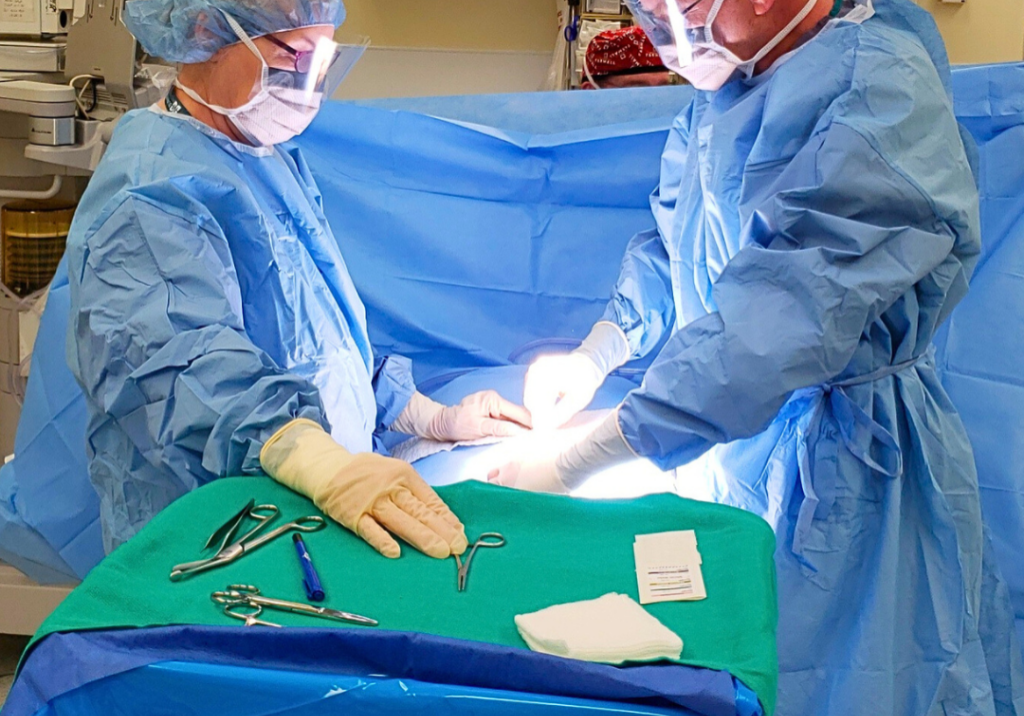
Preparing for Surgery: What to Expect Before, During, and After Your Procedure
Whether you’re preparing for a routine procedure or a more complex operation, surgery can bring up plenty of questions. What should you do beforehand? How long will recovery take? What happens when you arrive at the hospital? Knowing what to expect before, during, and after surgery can help you feel more confident and prepared. At…

What Does a Family Doctor Treat? Common Conditions Your Primary Care Provider Can Help With
When you think about visiting a family doctor, you might picture an annual physical or a routine checkup. But family doctors can do much more than provide preventive care. They can diagnose and treat many common illnesses and injuries, help manage ongoing health conditions, provide screenings and immunizations, and help you stay healthy at every…
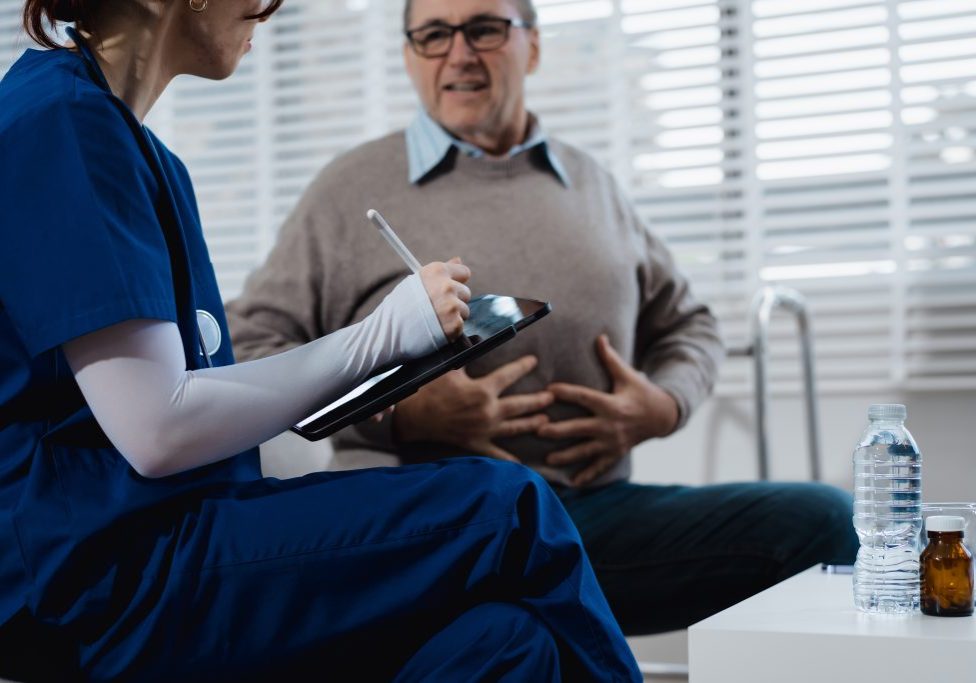
Managing Chronic Conditions with a Family Doctor: How Primary Care Helps You Stay Healthy Long-Term
Living with a chronic health condition can feel overwhelming, especially when managing medications, appointments, lifestyle changes, and ongoing symptoms. The good news is that you don’t have to manage it alone. A trusted family doctor can provide the consistent, personalized care needed to help you better manage chronic conditions and maintain your quality of life.…
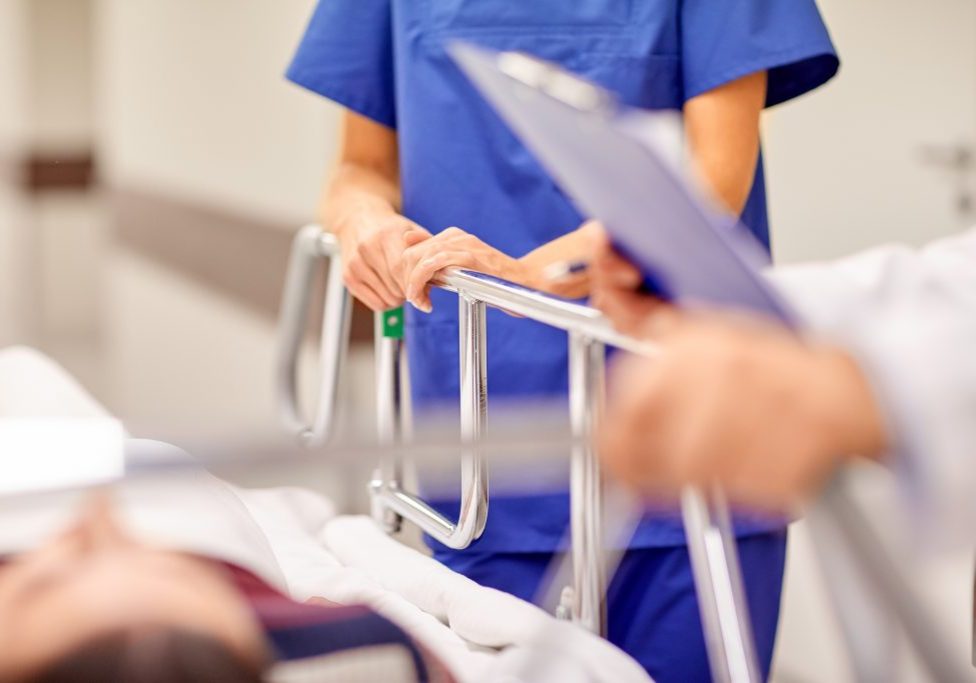
Why Choosing a Local Hospital Matters in an Emergency
When an emergency happens, every second counts. Whether you’re experiencing chest pain, a broken bone, difficulty breathing, or another urgent medical concern, finding a hospital near you isn’t just about convenience-it’s about getting lifesaving care as quickly as possible. For residents throughout Burnett County and surrounding communities, having access to a trusted local hospital, like…
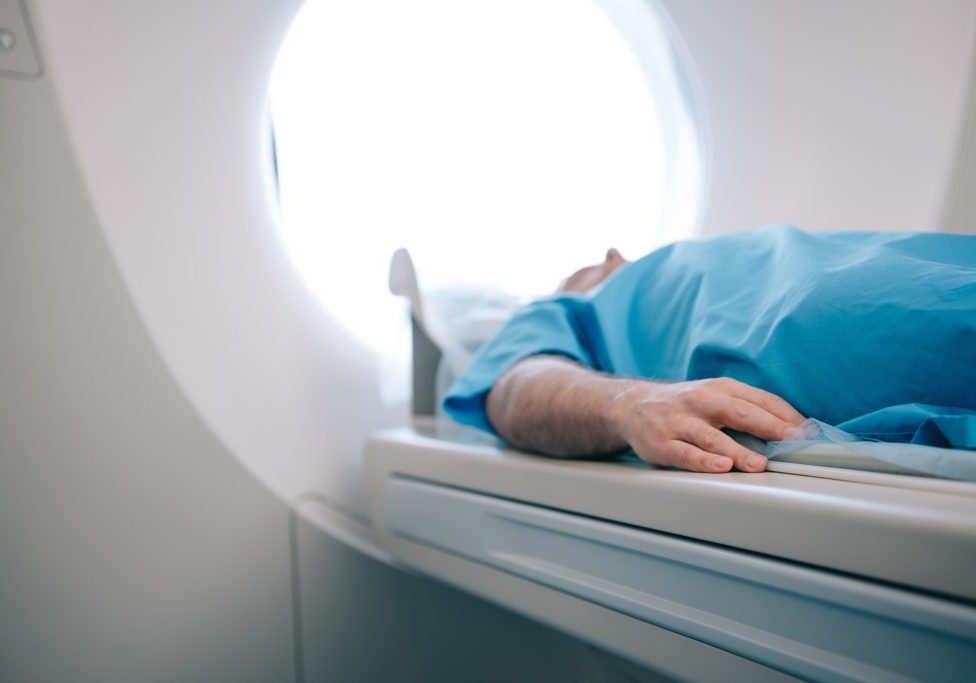
Understanding Diagnostic Imaging: X-Rays, CT Scans, and MRIs Explained
When your healthcare provider recommends diagnostic imaging, it’s natural to have questions. What exactly is an X-ray? How does a CT scan differ from an MRI? Why is one test recommended over another? Understanding the purpose of these imaging technologies can help you feel more informed and confident before your appointment. Whether you’re searching for…

Physical Therapy After Surgery: Why the Right Rehabilitation Plan Can Help You Recover Stronger
When surgery is over, recovery is just beginning. Whether you’ve had a joint replacement, spinal procedure, sports injury repair, or another operation, physical therapy often plays a major role in helping you heal safely and return to daily life. Many patients start their search for “physical therapy near me” after surgery because they want expert…

Women’s Health Services in Grantsburg: Why Local Care Matters
When it comes to your health, convenience and trust go hand in hand. Searching for a “women’s health clinic near me” or a “gynecologist near me” often means you’re looking for care that is not only high-quality, but also accessible, personal, and close to home. At Burnett Medical Center, women can find comprehensive, compassionate care…