
Physical Therapy After Surgery: Why the Right Rehabilitation Plan Can Help You Recover Stronger
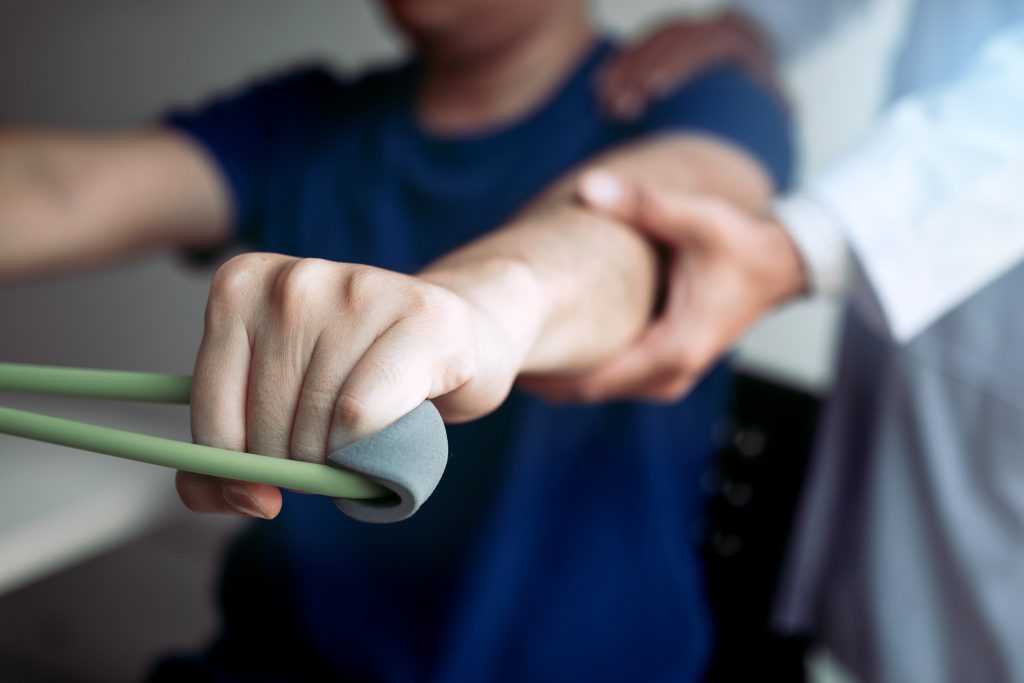
When surgery is over, recovery is just beginning. Whether you’ve had a joint replacement, spinal procedure, sports injury repair, or another operation, physical therapy often plays a major role in helping you heal safely and return to daily life. Many patients start their search for “physical therapy near me” after surgery because they want expert support, pain relief, and a plan that helps them regain movement.
At Burnett Medical Center, rehabilitation services are designed to help patients recover from surgery, rebuild strength, and improve mobility through personalized inpatient and outpatient care. Burnett Medical Center’s physical therapy team supports patients recovering from procedures involving the spine, knees, hips, shoulders, ankles, wrists, and more.
Why Physical Therapy Matters After Surgery
Surgery can correct structural issues, repair injuries, or replace damaged joints—but surgery alone does not restore strength, flexibility, or coordination. After a procedure, your body often needs guided rehabilitation to regain function and prevent complications.
Post surgery physical therapy benefits may include:
- Improved mobility and range of motion
- Reduced pain and stiffness
- Increased strength
- Better balance and coordination
- Lower risk of re-injury
- Faster return to work, sports, or daily activities
Without a structured rehabilitation plan, scar tissue, weakness, and immobility can slow recovery or create long-term limitations.
Common Surgeries That Benefit from Physical Therapy
Physical therapy is often recommended after:
Joint Replacement Surgery
Hip, knee, or shoulder replacements often require rehabilitation to restore movement, strengthen surrounding muscles, and improve walking or lifting mechanics.
Spine Surgery
Back and neck procedures may involve therapy focused on posture, flexibility, and core strengthening to protect the spine during recovery.
Orthopedic Repairs
ACL reconstruction, rotator cuff surgery, ankle repairs, or fracture surgeries often benefit from progressive therapy to restore full function.
General Surgery Recovery
Some abdominal, vascular, or other major surgeries may also require rehabilitation to rebuild endurance and mobility after hospitalization.
Burnett Medical Center also offers transitional support through inpatient care and Swing Bed services for patients who need additional recovery time after surgery or illness.
What to Expect During Post-Surgical Physical Therapy
If you’re searching for a “rehabilitation hospital near me,” understanding the process can make your recovery feel more manageable.
1. Initial Evaluation
Your physical therapist will assess your current mobility, pain levels, strength, and surgical restrictions. At Burnett Medical Center, treatment plans are personalized to your specific surgery and goals.
2. Pain Management
Therapy may include guided movement, stretching, and therapeutic exercises designed to reduce stiffness and discomfort while protecting healing tissues.
3. Strength and Mobility Building
As healing progresses, exercises become more advanced to improve flexibility, muscle strength, balance, and function.
4. Functional Recovery
Your therapist helps you prepare for real-world movements such as walking, climbing stairs, getting in and out of bed, or returning to work activities.
The Importance of Personalized Rehabilitation
Every surgery—and every patient—is different. Age, medical history, lifestyle, and procedure type all influence recovery speed.
Burnett Medical Center’s rehabilitation department offers individualized physical therapy, occupational therapy, and speech therapy services, allowing patients to receive comprehensive support under one roof. Their rehabilitation team focuses on restoring independence, reducing pain, and helping patients return to the activities they enjoy.
For patients needing a higher level of support, Burnett Medical Center’s Continuing Care Center and Swing Bed Program can provide additional skilled nursing and therapy services during recovery.
Signs You May Need Physical Therapy After Surgery
Even if your surgery was successful, rehabilitation may still be essential if you experience:
- Difficulty walking or moving normally
- Ongoing swelling or stiffness
- Muscle weakness
- Trouble completing everyday tasks
- Poor balance
- Pain during movement
Early intervention often leads to better long-term outcomes.
Choosing the Right “Physical Therapy Near Me”
When selecting post-surgical rehabilitation, look for:
Experienced Providers
A qualified therapy team familiar with orthopedic, surgical, and mobility recovery.
Continuum of Care
A facility that offers outpatient, inpatient, and rehabilitation hospital services can simplify your transition from surgery to full recovery.
Personalized Treatment Plans
Cookie-cutter exercises rarely address every patient’s needs.
Convenience
Receiving care close to home can improve consistency and reduce stress during recovery.
Burnett Medical Center’s Grantsburg location provides physical therapy, rehabilitation services, inpatient support, and transitional care options for patients across northwestern Wisconsin. (burnettmedicalcenter.com)
Recovering Close to Home in Northwestern Wisconsin
For many Wisconsin residents, traveling far for follow-up care can be difficult after surgery. Accessing local rehabilitation services can make appointments easier, improve treatment consistency, and keep patients connected to family support systems.
Burnett Medical Center offers rehabilitation services Monday through Friday and provides care designed to meet patients where they are in the recovery process.
Take the Next Step Toward Recovery
Healing after surgery is about more than the procedure—it’s about regaining your quality of life. A thoughtful rehabilitation plan can help you move better, feel stronger, and return to your routine with confidence.
If you’re looking for physical therapy near me or a rehabilitation hospital near me in northwestern Wisconsin, Burnett Medical Center provides personalized rehabilitation services to support every stage of recovery.
Frequently Asked Questions
This depends on your procedure and physician’s recommendations. Some patients begin within days, while others may wait longer based on healing needs.
Some discomfort is normal, but therapy should be structured to improve healing—not cause harm. Your therapist will guide progress safely.
Recovery timelines vary widely depending on surgery type, health history, and personal goals. Some patients need a few weeks, while others benefit from several months.
Yes. Patients who need more intensive recovery support may benefit from inpatient rehabilitation, swing bed programs, or continuing care services.
Joint replacements, spinal surgeries, sports injury repairs, fracture recovery, and many orthopedic procedures commonly include rehabilitation.
Choosing a nearby provider can improve appointment consistency, reduce travel stress, and make recovery more convenient for both patients and caregivers.