
Preparing for Surgery: What to Expect Before, During, and After Your Procedure
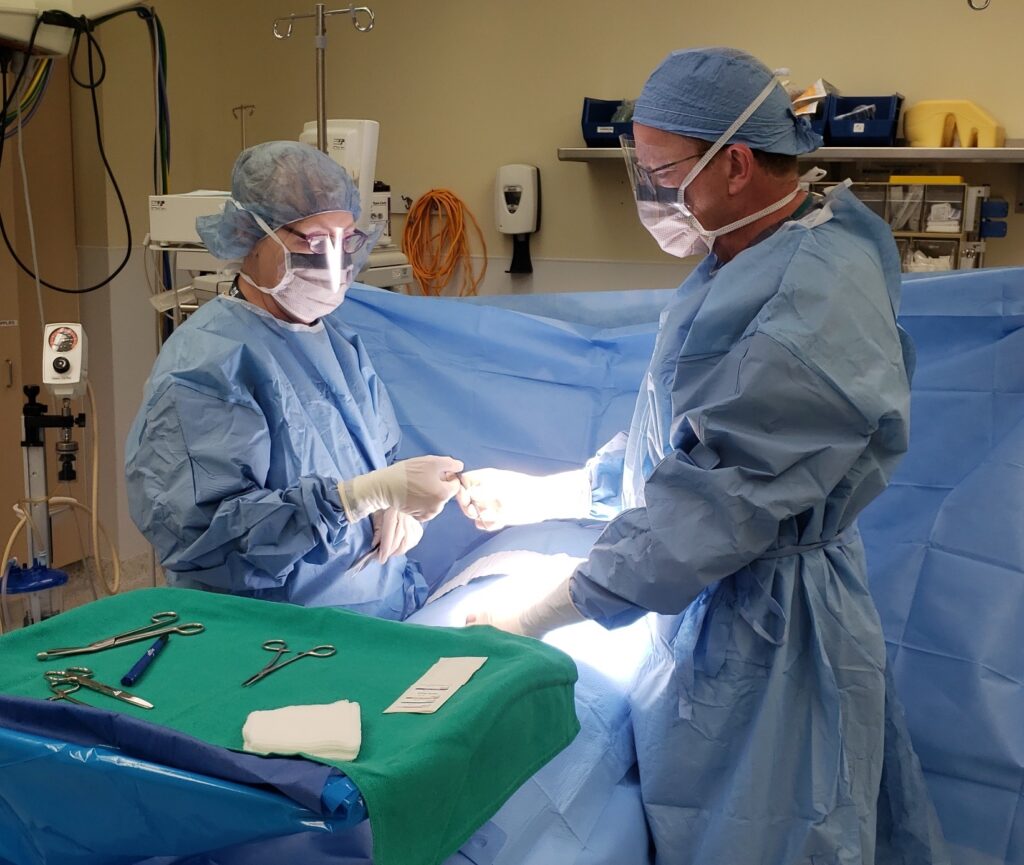
Whether you're preparing for a routine procedure or a more complex operation, surgery can bring up plenty of questions. What should you do beforehand? How long will recovery take? What happens when you arrive at the hospital?
Knowing what to expect before, during, and after surgery can help you feel more confident and prepared.
At Burnett Medical Center, we understand that every patient's experience is different. While your surgical team will provide instructions specific to your procedure, there are several general steps you can take to prepare for a smoother surgical experience.
Before Surgery: How to Prepare for Your Procedure
Preparing for surgery begins well before you arrive at the hospital. Following your healthcare provider's instructions is one of the most important ways to reduce complications and support recovery.
1. Complete Your Preoperative Appointments
Depending on your procedure and medical history, your healthcare provider may recommend a preoperative evaluation.
This appointment may include:
- Reviewing your medical history and current health conditions
- Discussing medications, supplements, and allergies
- Completing necessary bloodwork or diagnostic testing
- Reviewing anesthesia options
- Discussing potential risks and expected recovery times
This is also an excellent opportunity to ask questions about your procedure.
2. Review Your Medications
Certain medications and supplements can affect bleeding, anesthesia, or recovery.
Before surgery, provide your healthcare team with a complete list of everything you take, including prescription medications, over-the-counter products, vitamins, and herbal supplements.
Never stop taking prescribed medications without consulting your healthcare provider. Your surgical team will explain whether any adjustments are necessary.
3. Follow Eating and Drinking Instructions
Many surgical procedures require patients to avoid eating or drinking for a specific period before anesthesia.
However, fasting requirements vary depending on the procedure, anesthesia, and individual health considerations.
Your surgical team will provide specific instructions about when to stop eating and drinking, including whether you should take medications with water.
Following these instructions is essential for your safety.
4. Make Arrangements for After Surgery
If your procedure involves sedation or general anesthesia, you may need someone to drive you home and stay with you afterward.
Before your surgery, consider:
- Arranging transportation to and from the hospital
- Preparing meals ahead of time
- Organizing help with children, pets, or household responsibilities
- Creating a comfortable recovery space
- Picking up any prescribed medications as directed
Planning ahead allows you to focus on resting and recovering.
During Surgery: What Happens at the Hospital?
Although every procedure is different, most surgical experiences follow a similar process.
Checking In and Getting Ready
When you arrive, your healthcare team will confirm your identity, review your medical information, and prepare you for the procedure.
Depending on your surgery, preparation may involve changing into a hospital gown, having an intravenous (IV) line placed, or meeting with your anesthesia provider.
Your team will also confirm the planned procedure and answer any last-minute questions.
Anesthesia and the Procedure
The type of anesthesia you receive depends on your procedure and medical needs.
Common types include:
- Local anesthesia: Numbs a specific area while you remain awake.
- Regional anesthesia: Numbs a larger area of the body.
- General anesthesia: Places you in a controlled state of unconsciousness during surgery.
- Sedation: Helps you relax and may make you sleepy during certain procedures.
Your anesthesia provider will explain the recommended approach and monitor you throughout the procedure.
The length of surgery varies depending on its complexity and your individual circumstances.
After Surgery: What to Expect During Recovery
Once your procedure is complete, you'll typically spend time in a recovery area where healthcare professionals monitor your condition.
They may check your breathing, heart rate, blood pressure, pain levels, and response to anesthesia.
Some patients return home the same day, while others require additional monitoring or a hospital stay.
Managing Pain and Discomfort
Some discomfort following surgery is normal, but the amount and duration vary.
Your healthcare provider may recommend medications, ice, positioning, or other strategies to help manage pain.
Follow your prescribed pain management plan and contact your healthcare team if your pain becomes severe, suddenly worsens, or is not controlled by the recommended treatment.
Caring for Your Incision
If your procedure involves an incision, proper wound care is an important part of recovery.
Your surgical team will explain how to:
- Keep the incision clean and protected
- Change dressings, if necessary
- Recognize potential signs of infection
- Know when bathing or showering is permitted
- Determine when stitches or staples may need removal
Contact your healthcare provider if you notice increasing redness, warmth, swelling, drainage, or other concerning changes around your incision.
Returning to Normal Activities
One of the most common questions patients ask is, "How long will it take to recover from surgery?"
The answer depends on the procedure, your overall health, and your body's healing process.
Some patients return to everyday activities within a few days, while others need several weeks or longer.
Your healthcare provider will give you specific guidance about returning to work, exercising, driving, and lifting heavy objects.
Avoid rushing your recovery. Even when you begin feeling better, your body may still need time to heal.
When Should You Contact Your Doctor After Surgery?
While mild discomfort and fatigue can be expected, certain symptoms require medical attention.
Contact your surgical team if you experience:
- Fever or chills
- Increasing redness, swelling, or drainage around your incision
- Pain that worsens or does not improve with prescribed treatment
- Persistent nausea or vomiting
- Unexpected bleeding
- New or concerning symptoms
Seek emergency medical attention for difficulty breathing, chest pain, severe uncontrolled bleeding, or other potentially life-threatening symptoms.
Always follow the specific discharge instructions provided by your surgical team.
Frequently Asked Questions About Preparing for Surgery
How far in advance should I prepare for surgery?
Preparation timelines depend on the procedure. Some surgeries require testing or medication adjustments several weeks in advance, while others require only a few days of preparation. Your healthcare provider will explain your specific timeline.
What should I bring to the hospital for surgery?
Bring your photo identification, insurance information, medication list, and any paperwork requested by your surgical team. Wear comfortable clothing and leave valuables at home. If you're staying overnight, ask which personal items you should bring.
Can I take my regular medications before surgery?
Some medications can be continued, while others may need to be adjusted or temporarily stopped. Always follow your surgical team's instructions, particularly for blood thinners, diabetes medications, and supplements.
How long does it take to recover from general surgery?
Recovery times vary considerably depending on the type of surgery, whether it is minimally invasive or open, and your overall health. Your surgeon can provide a more accurate recovery estimate based on your procedure.
What should I avoid doing after surgery?
Depending on your procedure, you may need to avoid heavy lifting, strenuous exercise, driving, or certain activities. You should also avoid smoking, which can interfere with healing. Follow your discharge instructions and ask your healthcare provider before resuming restricted activities.
What are the signs of an infection after surgery?
Potential signs include increasing redness, warmth, swelling, worsening pain, pus-like drainage, or fever. Contact your healthcare provider promptly if you notice these symptoms.
Should someone stay with me after outpatient surgery?
If you receive sedation or general anesthesia, you will generally need a responsible adult to drive you home. Your surgical team may also recommend having someone stay with you for the first 24 hours, depending on your procedure and anesthesia.
Preparing for Surgery at Burnett Medical Center
Surgery is an important step in your healthcare journey, and having the right information can make the experience feel more manageable.
Whether you're preparing for a scheduled procedure or exploring treatment options, understanding what happens before, during, and after surgery can help you make informed decisions about your care.
Burnett Medical Center is committed to helping patients throughout Grantsburg and the surrounding communities access healthcare close to home.
To learn more about available surgical services or discuss your healthcare needs, visit Burnett Medical Center or contact our team.