
Understanding Diagnostic Imaging: X-Rays, CT Scans, and MRIs Explained
When your healthcare provider recommends diagnostic imaging, it's natural to have questions. What exactly is an X-ray? How does a CT scan differ from an MRI? Why is one test recommended over another?
Understanding the purpose of these imaging technologies can help you feel more informed and confident before your appointment. Whether you're searching for diagnostic imaging near me or trying to understand the difference between a CT scan vs MRI, this guide will walk you through the basics.
What Is Diagnostic Imaging?
Diagnostic imaging refers to medical technologies that allow healthcare providers to see inside the body without surgery. These images help identify injuries, diagnose medical conditions, monitor treatment progress, and guide medical decisions.
Diagnostic imaging plays a critical role in modern healthcare by helping providers detect issues early and create more effective treatment plans.
The most common types of diagnostic imaging include:
- X-rays
- Computed Tomography (CT) scans
- Magnetic Resonance Imaging (MRI)
Each imaging method serves a different purpose and provides unique information about the body.
Understanding X-Rays
X-rays are one of the oldest and most widely used forms of medical imaging. They use small amounts of radiation to create images of structures inside the body.
Common Reasons for an X-Ray
Your provider may order an X-ray to evaluate:
- Broken bones and fractures
- Joint problems
- Arthritis
- Pneumonia and lung conditions
- Dental issues
- Certain digestive concerns
What to Expect During an X-Ray
X-rays are quick, painless, and typically take only a few minutes. Depending on the area being examined, you may be asked to stand, sit, or lie down while images are captured.
Most patients can return to normal activities immediately after the procedure.
What Is a CT Scan?
A CT (Computed Tomography) scan combines multiple X-ray images taken from different angles to create detailed cross-sectional images of the body.
Compared to a standard X-ray, CT scans provide more detailed information about organs, blood vessels, soft tissues, and bones.
Common Reasons for a CT Scan
Healthcare providers often use CT scans to evaluate:
- Head injuries
- Internal bleeding
- Tumors
- Lung conditions
- Abdominal pain
- Kidney stones
- Certain cardiovascular concerns
What to Expect During a CT Scan
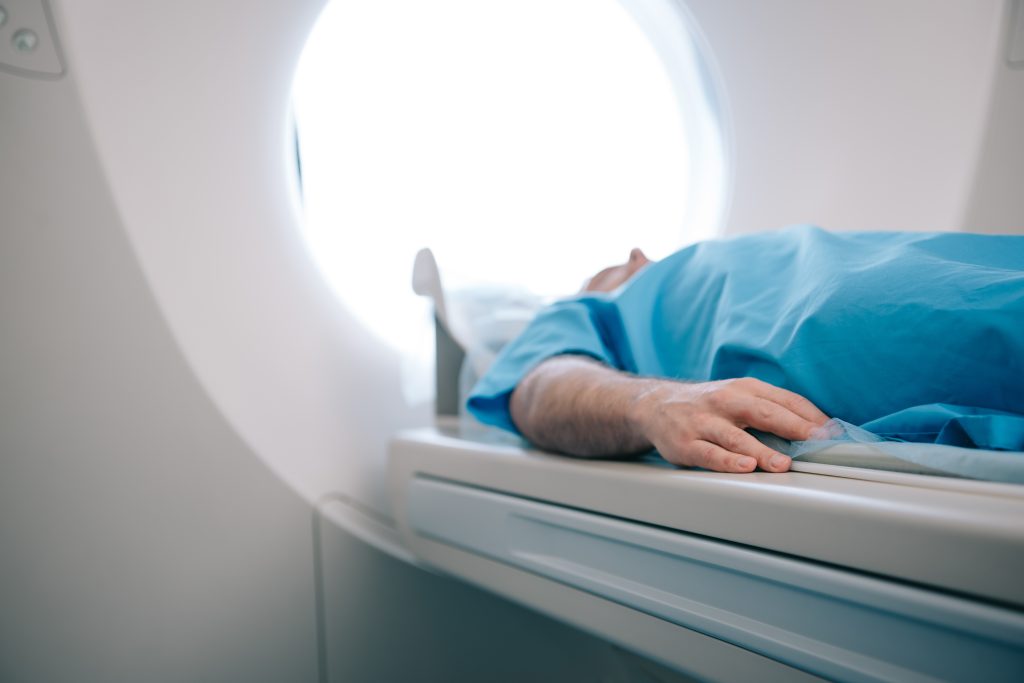
During the procedure, you'll lie on a table that moves through a large, donut-shaped scanner. The scan itself is painless and usually takes between 10 and 30 minutes.
Some CT scans may require a contrast dye to help highlight specific structures within the body.
CT Scan vs MRI: What's the Difference?
One of the most common questions patients ask is about the difference between a CT scan vs MRI.
While both produce detailed images of the body, they use different technologies and are often used for different purposes.
CT Scan
CT scans use X-rays to create images.
They are often preferred when providers need:
- Fast imaging results
- Evaluation of trauma or injuries
- Detection of fractures
- Assessment of internal bleeding
- Imaging of lungs and chest structures
CT scans are generally quicker than MRIs and are frequently used in emergency situations.
MRI
MRI (Magnetic Resonance Imaging) uses powerful magnets and radio waves rather than radiation.
MRIs are particularly effective for imaging:
- Brain and spinal cord conditions
- Muscles, tendons, and ligaments
- Joint injuries
- Soft tissue abnormalities
- Certain neurological disorders
MRI images provide exceptional detail of soft tissues that may not be visible on a CT scan.
Your healthcare provider will determine which imaging study is most appropriate based on your symptoms, medical history, and diagnostic needs.
What Is an MRI Like?
During an MRI, you'll lie on a table that slides into a large cylindrical machine. The scanner creates magnetic fields that generate detailed images.
MRI exams generally take longer than CT scans, often ranging from 30 to 60 minutes.
Because the machine can be noisy, patients are typically provided with ear protection. It's important to remain as still as possible during the exam to ensure clear images.
Why Diagnostic Imaging Matters
Diagnostic imaging helps healthcare providers:
- Identify conditions earlier
- Confirm diagnoses
- Monitor healing and recovery
- Guide treatment decisions
- Reduce the need for exploratory procedures
By providing a clear view of what's happening inside the body, imaging allows providers to develop more accurate and effective care plans.
Finding Diagnostic Imaging Near You
When searching for diagnostic imaging near me, it's important to choose a healthcare provider that offers high-quality imaging services and experienced medical professionals.
Having access to local diagnostic imaging services can make the process more convenient while ensuring timely results and coordinated care with your healthcare team.
If your provider recommends an imaging study, don't hesitate to ask questions about the procedure, preparation requirements, or what to expect. Understanding the process can help reduce anxiety and ensure a smoother experience.
Frequently Asked Questions
An X-ray produces a single image and is often used to evaluate bones and certain medical conditions. A CT scan combines multiple X-ray images to create detailed cross-sectional views of organs, tissues, and bones.
Not necessarily. MRI and CT scans serve different purposes. MRIs are often better for soft tissue evaluation, while CT scans are commonly used for injuries, fractures, and emergency assessments.
Most imaging procedures are painless. Patients may need to remain still during the exam, but the imaging itself typically does not cause discomfort.
Yes. Both CT scans and X-rays use small amounts of radiation to create images. Healthcare providers only recommend these tests when medically appropriate.
Most MRI exams take between 30 and 60 minutes, depending on the area being examined and the complexity of the imaging study.
In many cases, diagnostic imaging is ordered by a healthcare provider who determines which test is most appropriate for your symptoms and medical condition.